
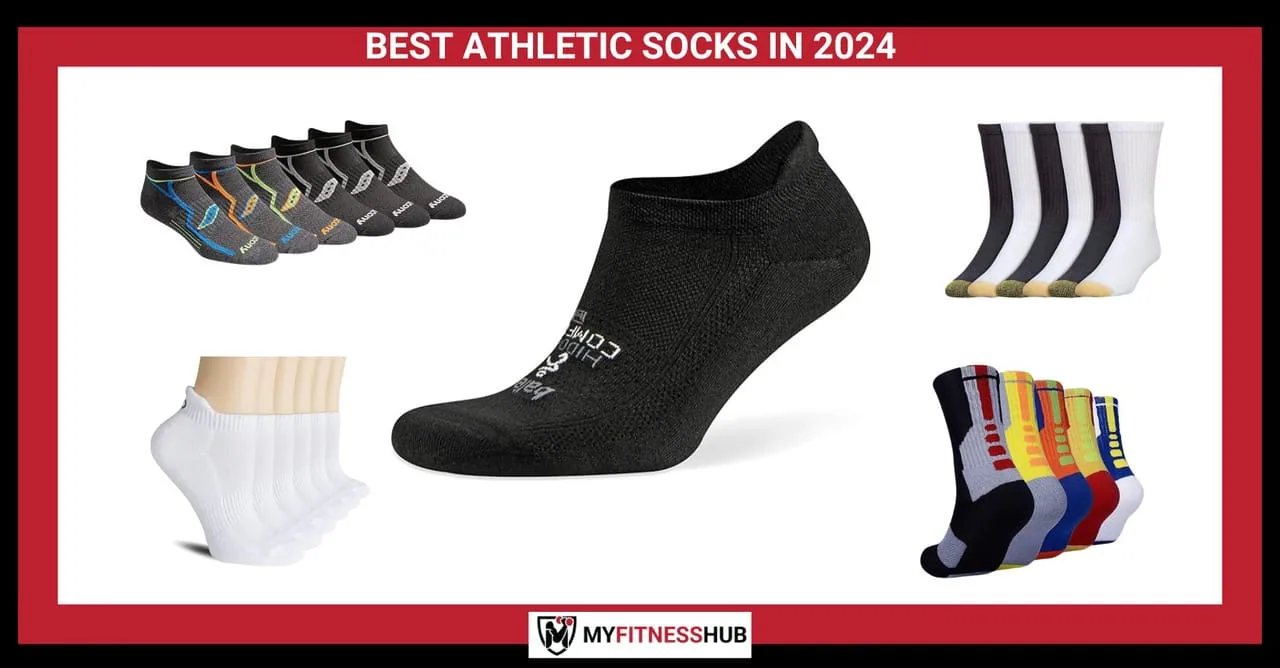
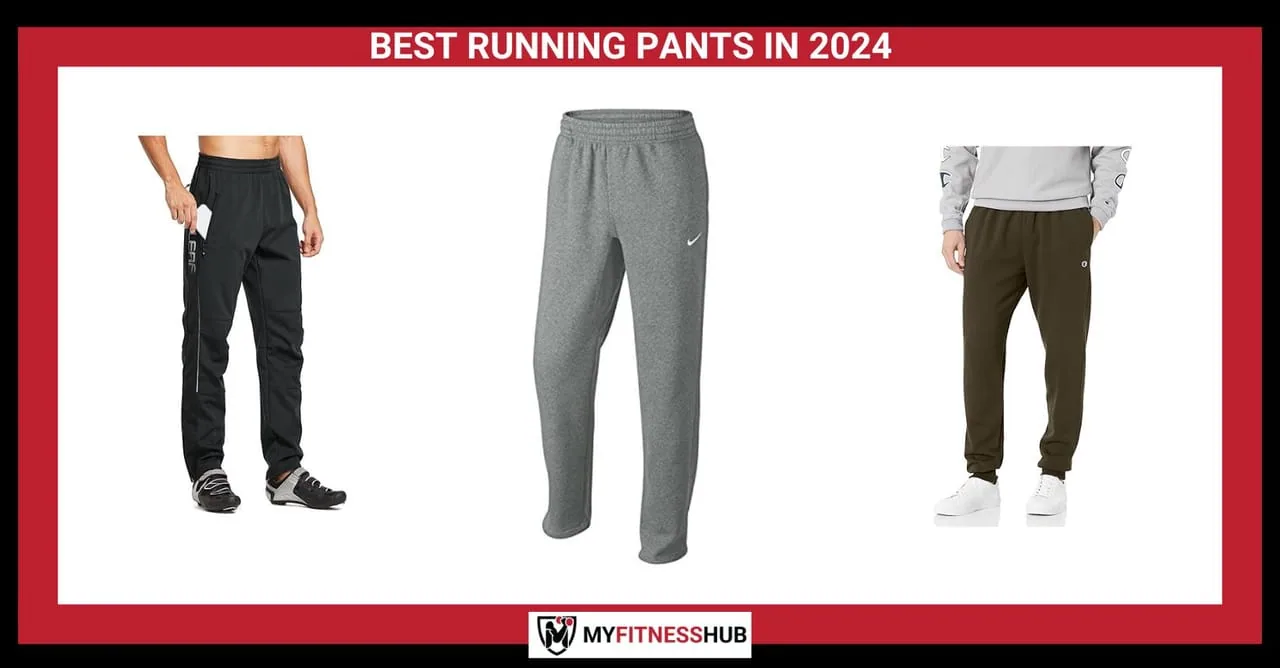
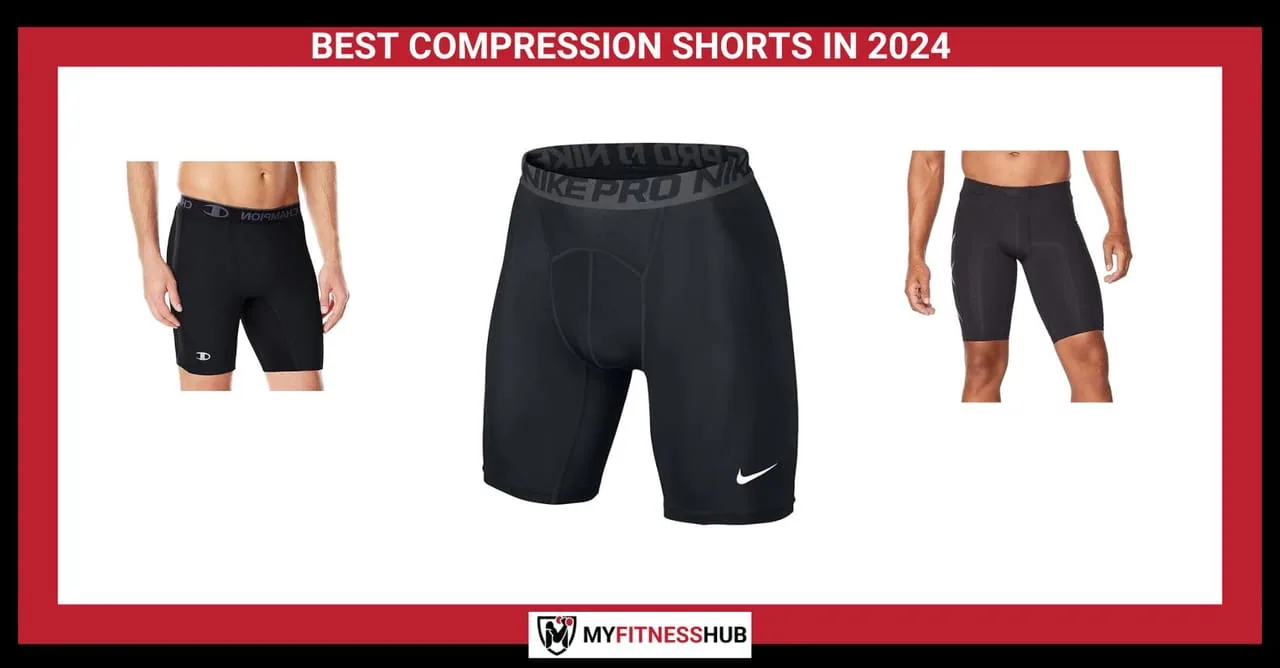
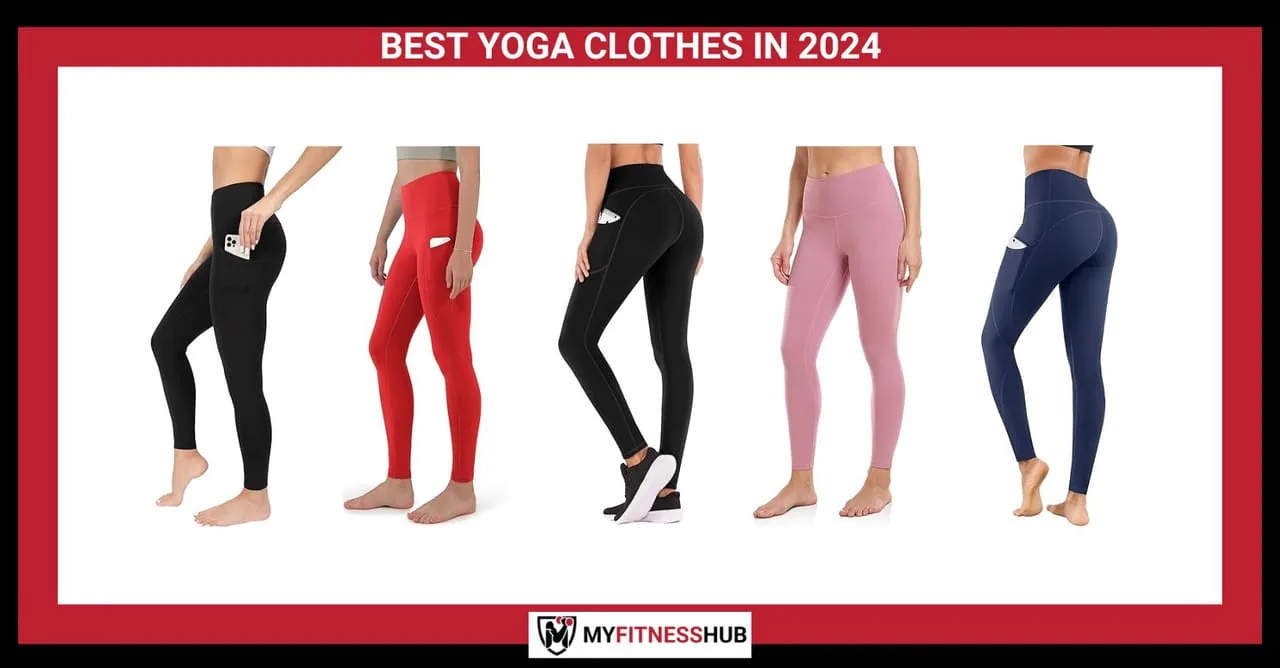
Good training clothing rarely gets the credit it deserves. The right fabric and fit keep you comfortable, help you stay at the right temperature and let you move freely, which makes every session a little easier. The guides in this section cover compression wear, running kit, socks and everyday training clothes, with a focus on what actually matters once you start moving rather than how an item looks on a hanger.
In this section you will find straightforward reviews and buying advice covering everything from base layers to trainers, written with real training in mind rather than the catwalk. Whether you are buying your first proper kit or refining a wardrobe you already own, the aim is to help you spend wisely on clothing that feels good, lasts well and supports the way you like to train.
What makes good workout clothing?
At its simplest, good workout clothing manages sweat, moves with you and lasts. Beyond that, the details depend on your activity. A runner benefits from lightweight, breathable layers, while someone lifting weights may prefer a closer fit that does not get in the way. Comfort is the thread that runs through all of it. If a garment chafes, rides up or feels clammy, you will notice it for the whole session.
Choosing the right fabric for training
Fabric is where performance clothing earns its keep. Technical synthetics such as polyester and nylon blends are designed to wick sweat away from your skin and dry quickly, which keeps you drier during hard efforts. Natural options like merino wool handle odour well and feel comfortable across a range of temperatures. Cotton feels soft but holds moisture, so it tends to stay damp and heavy once you start to sweat, which is why most dedicated kit avoids it.
How should gym clothes fit?
Fit affects both comfort and performance, and the right answer depends on what you are doing:
- Close or compression fit suits lifting and high-intensity work, where loose fabric can snag or get in the way.
- Regular fit is a comfortable all-rounder for most gym sessions and everyday training.
- Relaxed fit works well for warm-ups, stretching and lower-intensity days when you want more airflow.
Whatever the style, check that you can squat, reach and twist without the garment pulling or exposing you.
Does compression wear actually help?
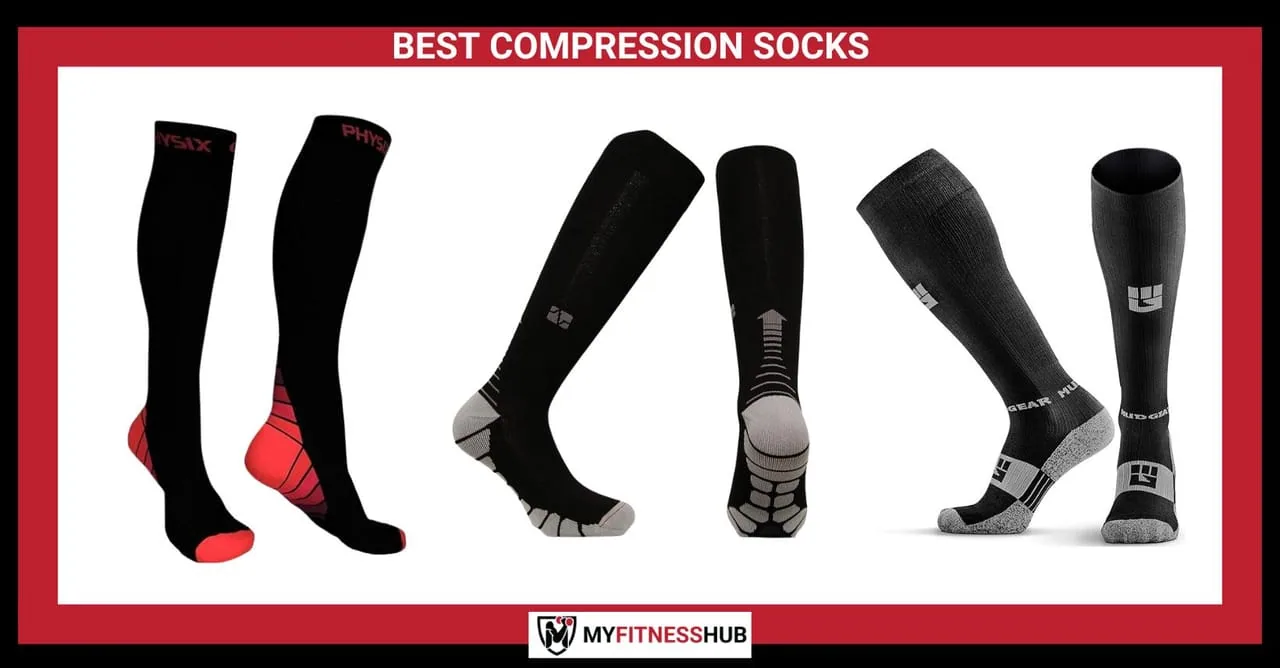
Compression clothing is designed to fit snugly and support the muscles. Many people find it comfortable and like the way it holds everything in place during intense sessions, and some feel it helps them feel fresher afterwards. The honest picture is that experiences vary from person to person, so it is best treated as a comfort and support choice rather than a guaranteed performance boost. If you enjoy wearing it and it feels good, that is a perfectly good reason to choose it. The right clothing works best alongside the right gear, so it is worth browsing our equipment guides or heading back to the homepage for more ideas.
Kit for running, lifting and yoga
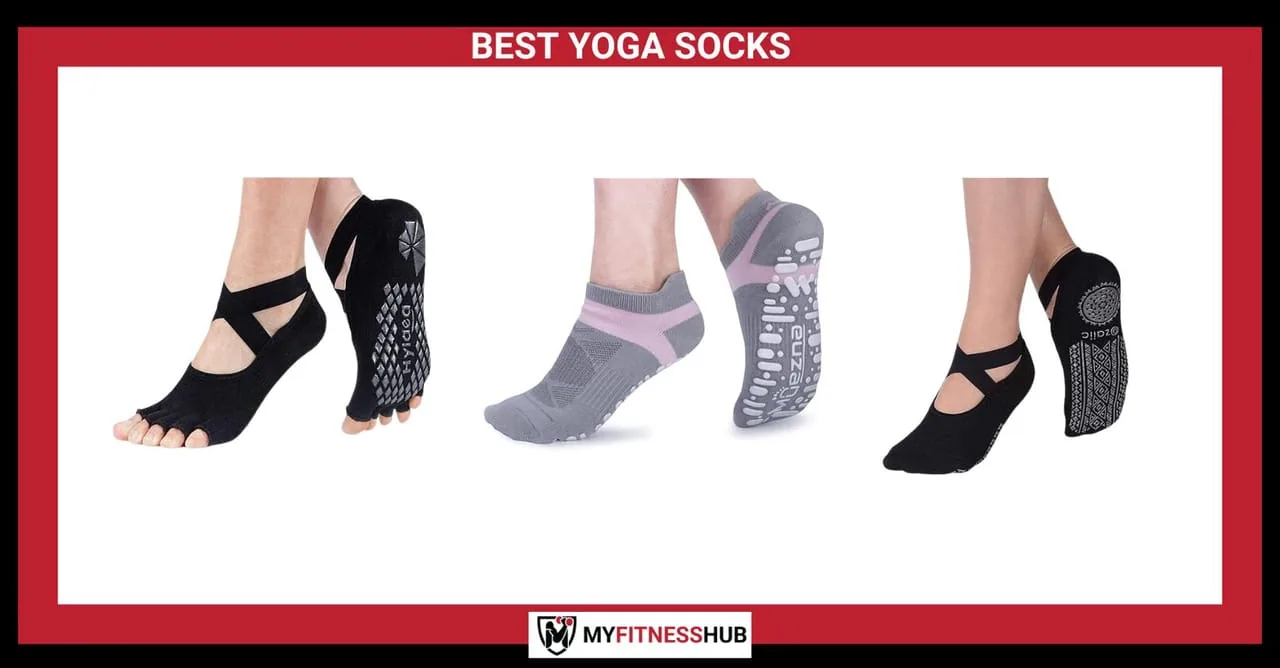
Different activities ask different things of your clothing. Runners tend to want lightweight, breathable pieces with a little reflectivity for darker days, plus well-cushioned socks to help prevent blisters. Lifters often prefer flexible, hard-wearing fabric that moves through a full range of motion. For yoga and mobility work, stretchy, squat-proof material that stays in place when you bend is the priority. Buying with your main activity in mind usually beats one-size-fits-all kit.
How to care for performance apparel
Technical fabrics last longer with a little care. Wash them in cooler water, avoid fabric softener as it can clog the fibres that manage sweat, and air dry where you can rather than using a hot tumble dryer. Turning items inside out helps protect prints and seams. Treated well, good training clothing keeps performing wash after wash.
What should beginners wear to the gym?
If you are just starting out, keep it simple. A comfortable, breathable t-shirt, a pair of shorts or leggings you can move in, supportive trainers and a couple of pairs of proper sports socks will see you through almost any session. You do not need a wardrobe of specialist kit on day one. As you settle into a routine and work out what you enjoy, you can add pieces suited to your favourite activities, such as running tights or a supportive top.
Do you need to spend a lot on gym clothes?
Not at all. Price and performance do not always go hand in hand, and many mid-range pieces offer excellent fabric and fit without a designer label. More expensive kit can bring nicer materials, better finishing and a longer life, but the most important thing is that your clothing is comfortable, moves well and manages sweat. Buy a few quality basics you will wear often rather than lots of items you rarely reach for.
Dressing for hot and cold training
The weather changes what works. In warm conditions, lightweight, breathable fabrics help you stay cool and manage sweat, so lighter colours and looser cuts can be more comfortable. In the cold, layering is your friend: a sweat-wicking base layer keeps you dry, a mid layer adds warmth, and a wind or water-resistant outer layer protects you outdoors. The trick is to stay warm without overheating once you get going, so choose layers you can easily add or remove.
Building a simple training wardrobe
You can cover almost every session with a small, well-chosen set of kit rather than a cupboard full of clothes. A practical starting wardrobe might include a few breathable tops, a couple of pairs of shorts or leggings, a warmer layer for cooler days, a pair of supportive trainers suited to your main activity and several pairs of proper sports socks. Choose pieces that mix and match, and wash well, so they are easy to rotate through a busy week. Add specialist items only when a particular activity calls for them, and you will spend less while always having something comfortable to train in.
Looking for specific recommendations? Explore our apparel reviews and comparisons below.